

Key Takeaways
- Switch the heat on 10 to 15 minutes before you sit down, because several foot massagers warm slowly and one brand's own advice says the same.
- Three of 7 clients called the heat weak, slow or absent on one budget foot machine, and six of 16 buyers agreed, so the temperature printed on the box tells you little.
- Back pads, neck wraps and one hand glove ran warm in our reviews, while budget foot machines were the likeliest to disappoint.
- Where the heat sits matters as much as how strong it is: one hand glove warmed only the palm, and some foot units warm the top of the foot instead of the sole.
- With neuropathy or any reduced feeling in your skin, ask a doctor before relying on built-in heat, because you may not notice it building.
Three of the seven clients who tried one budget foot massager called its heat weak, slow or absent, and six of 16 buyers said the same. That was not a one-off: faint heat was one of the most repeated letdowns across the foot, back, neck and hand massagers we reviewed.
This guide explains why built-in heat is usually mild, which units ran warm and which barely warmed, and how to get more warmth safely. It also covers when a separate heating pad does the job better.
Why is built-in massager heat usually mild?
Brands keep the heat low on purpose, and the numbers on the listing show it. One vibration foot mat lists two levels from 104°F to 122°F, a foot kneader lists 113°F to 131°F, and a neck wrap lists just 104°F and 113°F.
These devices also carry overheat protection and auto shut-offs of 10 to 30 minutes. The listing for one back pad even says its heat is a warming heat, not meant as a therapeutic heating pad.
The heating parts are small, too. One open-toe foot unit warms from four center discs, one neck collar advertises 12 "heat lamps" yet reviewers found its heat faint or absent, and a glove-style hand massager warmed only the palm for some clients.
Where the heat sits matters as much as how strong it is. Members of our Facebook group say some foot units concentrate heat on the top of the foot instead of the sole, and one foot unit our client liked was warm across the top and arch, not a hot foot soak.
Warm-up time is the last piece. Members say some foot heaters take up to 15 minutes to produce noticeable warmth, which is a big bite out of a 15-minute cycle.
Which units ran warm, and which barely warmed?
Here is a quick report card of what our clients and buyers said, roughly from warmest to faintest.
| Device | Type | How the heat felt | Our note |
|---|---|---|---|
| Snailax 2026 Ultra-Slim ($99.99) | Back pad | Hot; one client said "penetratingly hot" on top setting | Turn the heat down first |
| Comfier CF-4403 ($89.99) | Hand glove | Strong; one client called it "super hot" | No heat-only mode |
| Bob and Brad iNeck Go ($69.97) | Neck wrap | Real; 3 clients praised it, none called it weak | Takes a couple of minutes to kick in |
| Snailax SL-363M ($129.99) | Massage mat | Mixed: "amazing" for some, patchy or too hot at the base for one | Don't lie on the hot spot long |
| Renpho Thermacool ($179.99) | Foot massager | Warm over the top and arch; maximum in about 5 minutes | Not a hot foot soak |
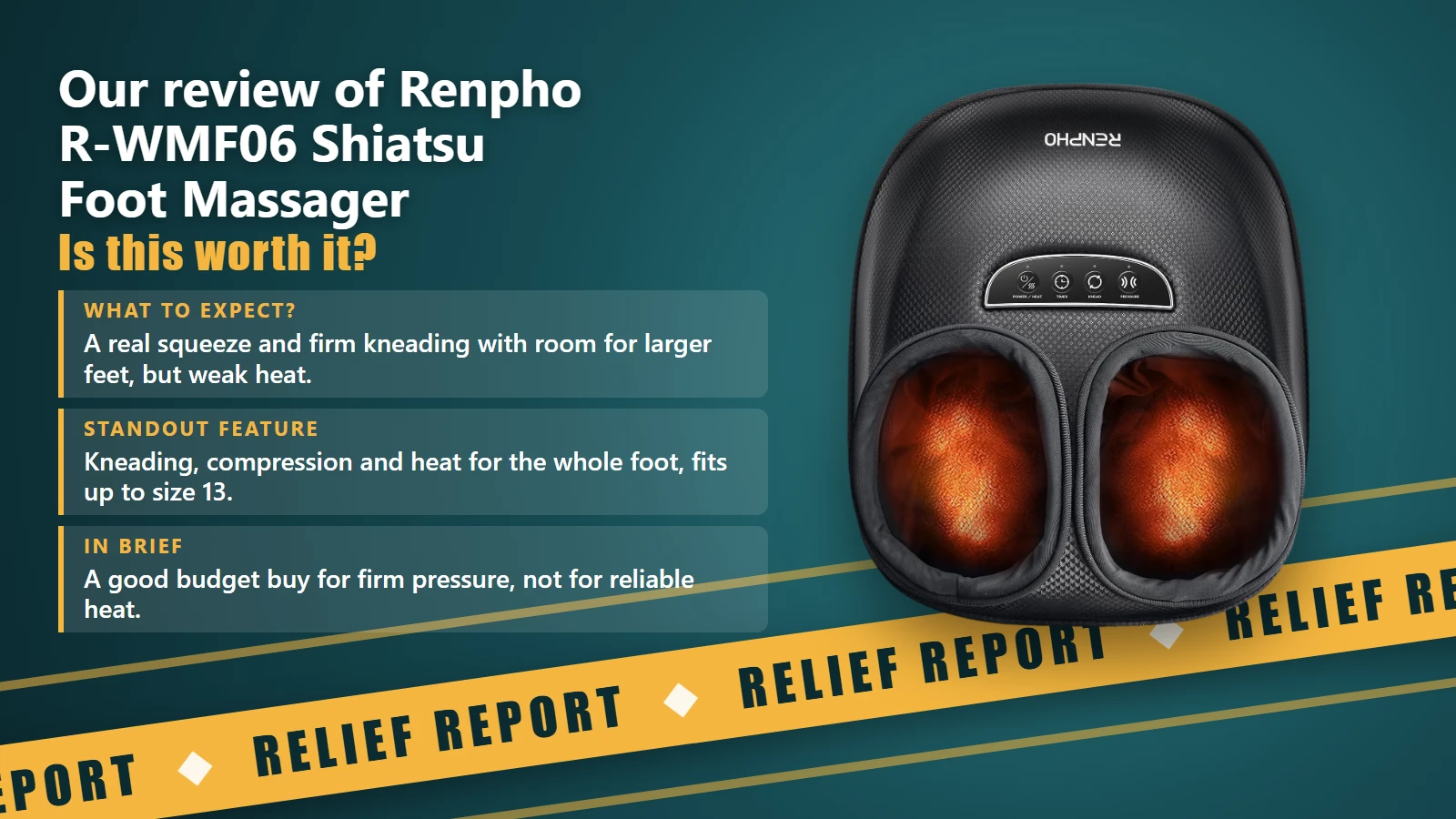
| Renpho R-WMF06 ($75.99) | Foot massager | Weak, slow or absent for 3 of 7 clients | Run it 10 to 15 minutes first |
| Snailax SL-591 ($89.99) | Vibration foot mat | Lukewarm for 2 reviewers and 3 buyers | Buy it for the buzz, not the warmth |
| Zyllion ZMA-29 ($79.95) | Hand massager | Weak or palm-only for 2 of 6 clients | Nothing reaches the thumb |
The pattern is that back pads, neck wraps and one hand glove delivered real warmth, while the budget foot machines were the most likely to disappoint.
The units that ran warm
The warmest unit we reviewed was the slim Snailax back pad, where three clients praised the heat and one called it "penetratingly hot" on the top setting. It gets hot "if you want it to", so turn the heat down first and scale it back or switch it off if it is too much.
One client of the iNeck Go neck massager said the higher heat setting did a lot of the loosening, and three clients called the warmth real. None called it weak, though the heat took a couple of minutes to start and one client could not tell whether the red light did anything.
The Comfier CF-4403 hand glove also ran strong. The brand says up to 115°F in about 2 minutes, and a client who uses it twice a day called the heat "super hot", although that glove squeezes harder than the numbers on its buttons suggest.
The warmth on the Snailax SL-363M mat came with a catch. One client praised it as so strong they leave it off, another found it minimal, slow or patchy, and the seat section got too hot for one client, who felt it burn after about five minutes.
The units where the heat was faint
Foot machines gave us the most faint-heat reports. On the Renpho R-WMF06, the sticker promises about five minutes to the desired temperature, yet one client felt nothing even after five minutes and the brand itself suggests switching it on 10 to 15 minutes early.
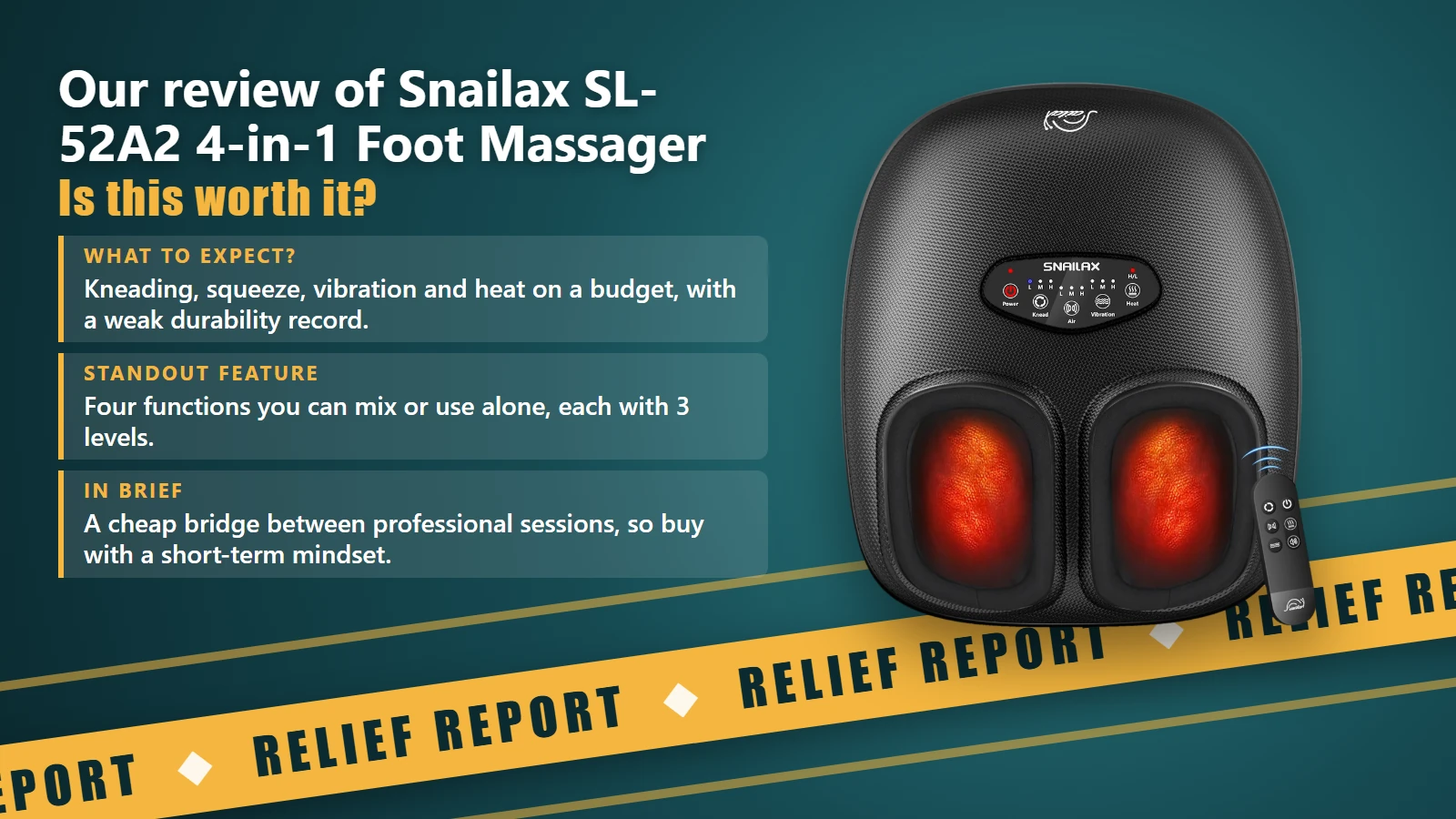
Two reviewers called the heat weak or dead on the Snailax SL-52A2, and one client said she only felt anything because the air squeeze pressed her foot hard against the plate. Meanwhile 2 reviewers and 3 buyers called the heat on the stand-on SL-591 lukewarm, and our clients mostly shrugged it off since they bought it for the buzz.
Three of 6 clients found the heat weak or uneven on another Renpho foot unit, and one client's gift units bought later had on or off only, even though the first unit had three heat settings. Check the listing photos on the day you buy.
Hand and handheld massagers had their own gap. Two of 6 clients called the heat weak or palm-only on the Zyllion ZMA-29, and 4 of 14 buyers said there was little or none.
On the $49.99 Snailax SL-498, one client said the nodes lit red and never warmed, and heat was the most common tag among buyer reviews, at about 15 of 38. Its heat only works with the other heads off, so it is best counted as a bonus.
Even a $3,299.99 massage chair we looked at had a single client report no heat at all on the highest setting, so ask what warmth to expect before paying.
How can you get more warmth safely?
These steps cost nothing and cover most of the complaints in our files.
- Switch the heat on 10 to 15 minutes before you sit down, running the unit empty if it allows.
- Look at where the heat sits before you buy: sole, top of the foot, palm, or only one thin strip.
- Start on the lowest heat and work up, since one person's lowest setting felt hot enough to switch off after ten minutes.
- Keep socks on if the heat concentrates in one spot, because members say some foot units get too hot to use without thick socks.
- With hand gloves, let the heat run for a minute before you put your hand in, since members say it takes a moment to build.
- Keep skin covered on mats and pads, and do not nap on a high setting.
The mat's maker claims its overheat protection and auto shut-off keep it safe during sleep, but one client felt the seat burn within about five minutes. I would not nap on the heat.
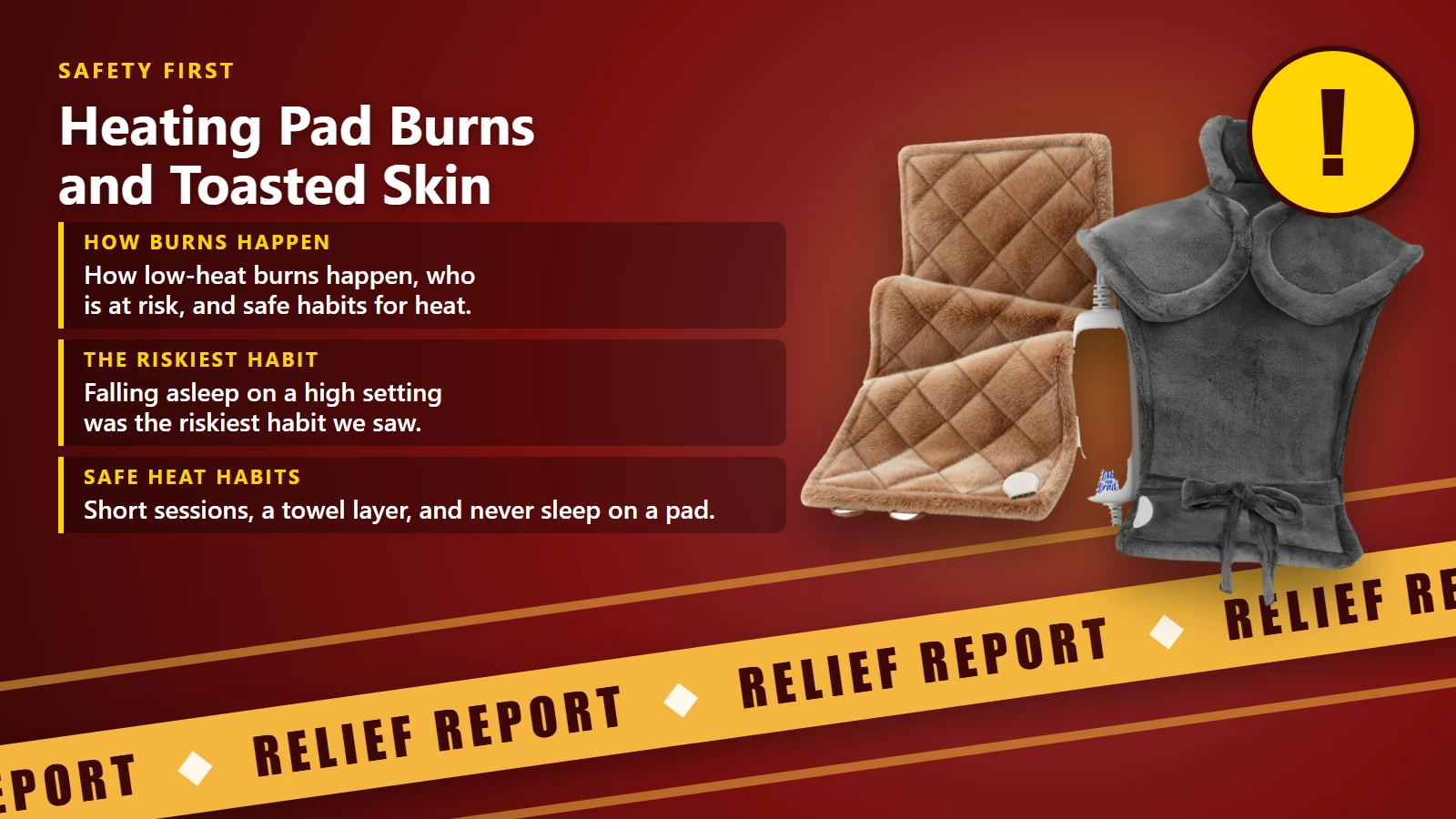
Skip built-in heat, or ask a doctor first, if you have neuropathy (nerve damage that dulls feeling in the feet, so you may not notice heat or pressure building) or any reduced feeling in your skin. Check your skin afterward if the heat felt intense, and read our guide to using heat safely, even overnight before you rely on any heated product.
When does a heating pad do the job better?
If warmth is the real goal, a pad is simpler and cheaper. Our reviews say it plainly: "a heating pad warms more predictably than any of these machines".
Pads are not free of trouble. Members say many modern pads fail to get hot enough because their built-in safety caps leave them around 105°F, and they prefer units that reach 121°F and up.
Members also report pads that stop heating or flash error lights within 1 to 6 months of daily use, and shut-offs after 15 to 20 minutes while the power light stays on. Moist heat pads are widely favored for deeper warmth, and one member's moist pad reaches 150°F to 165°F on high.
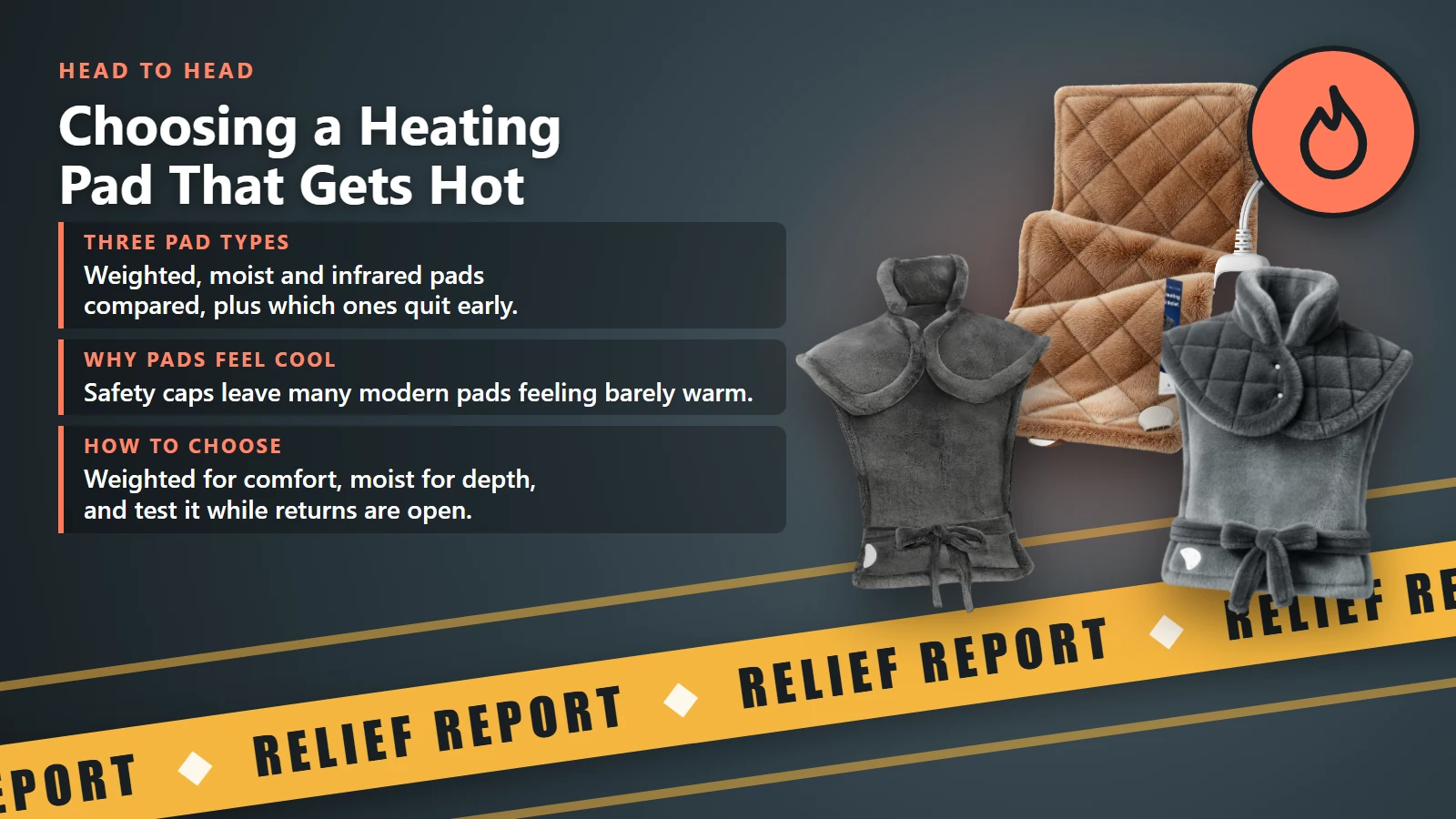
The soft neck-and-shoulder wrap we reviewed shows the other side: two clients found it too hot, while two clients and three buyers said it barely warmed on the same top level. Our guide on choosing a heating pad that actually gets hot compares weighted, moist and infrared styles.
A sensible split is to use a pad for warmth and a massager for kneading or vibration. A massager that also heats is a bonus, not a replacement.
Questions People Ask
Why does my massager's heat feel so weak?
Usually the heat is capped low and the element is small. It may also be on the top of the foot, only in the palm, or slow to build, so give it 10 to 15 minutes before you judge it.
How long should heat take to warm up?
One brand says about five minutes, another suggests switching it on 10 to 15 minutes early, and members report some units need up to 15 minutes. If yours is still cold after that, it may be weak or faulty and worth returning.
Is it safe to sleep on a massager's heat?
I would not. One mat's maker says its protection keeps it safe during sleep, but a client felt the seat section burn in about five minutes.
People with reduced heat sensation should ask a doctor first.
Does the red or infrared light add warmth?
Not that clients could tell. The iNeck Go brand says its near-infrared light (light just beyond visible red, which the brand says reaches deeper than surface heat) goes deeper than heat, yet the one client who commented could not tell if it did anything.
Red lights on other units we reviewed glowed without warming.
Should I buy a massager with heat or a separate heating pad?
Buy the massager for what it does best, which is kneading or vibration, and count heat as a bonus. If warmth is your main reason, a heating pad is the better, cheaper tool.
So what should you buy for warmth?
If you want real, noticeable heat, look at back pads, neck wraps and gloves that clients called warm, and avoid budget foot machines. If you want kneading or vibration, buy for that and count any heat as a bonus.
Whichever you choose, test the heat in the first week while you can still return it, and reach for a heating pad when warmth is the whole point.