

Key Takeaways
- Gear gets used when it fits a habit you already have, and gets dropped when it asks for a brand-new routine.
- Before a massage chair with strong rollers or any leg compression, ask a doctor if you have a pacemaker, a history of blood clots or osteoporosis.
- Start on the lowest pressure level, because a reviewer who ran one set on maximum was sore the day after running.
- Reports on the Quinear boots run only about 9 months, so long-term durability is still an open question.
- Expect the excitement to fade within weeks, and keep your order details, since failures in our reviews showed up anywhere from 3 months to about 2 years.
In my practice I see the same cycle again and again. A client walks in excited about a new massager, uses it daily for a while, and by the next session it is sitting in a closet.
The box gets opened, the device gets tried, and then life gets in the way.
Members of our Facebook recovery-gear group know this cycle well. Some bought chairs that became a giant clothes rack, and others bought $150 compression boots they returned because they were hard to put on and too bulky.
This guide pulls together what our clients reported, what our group members posted, and what buyers said in their reviews. You will see why good gear goes unused, what the owners who kept using theirs did differently, and how to buy for the habit you actually have.
Why Good Gear Goes Unused
Most recovery gear does not fail because it is bad. It fails because it does not fit into a real life.
The device works fine on day one, but a few weeks later the owner is tired, busy, or annoyed by something small that adds up.
Members of our Facebook group have been honest about this. One member who bought a MedMassager called it an expensive gadget that collected dust.
Another returned a pair of Sharper Image boots after a month, because they were hard to put on and bulky and gave no noticeable ache relief.
The gear is rarely the whole problem. The gap between what the device asks of you and what you are willing to do every day is where habits die.
The Most Common Reasons Gear Ends Up in the Closet
Setup Hassle Kills the Habit
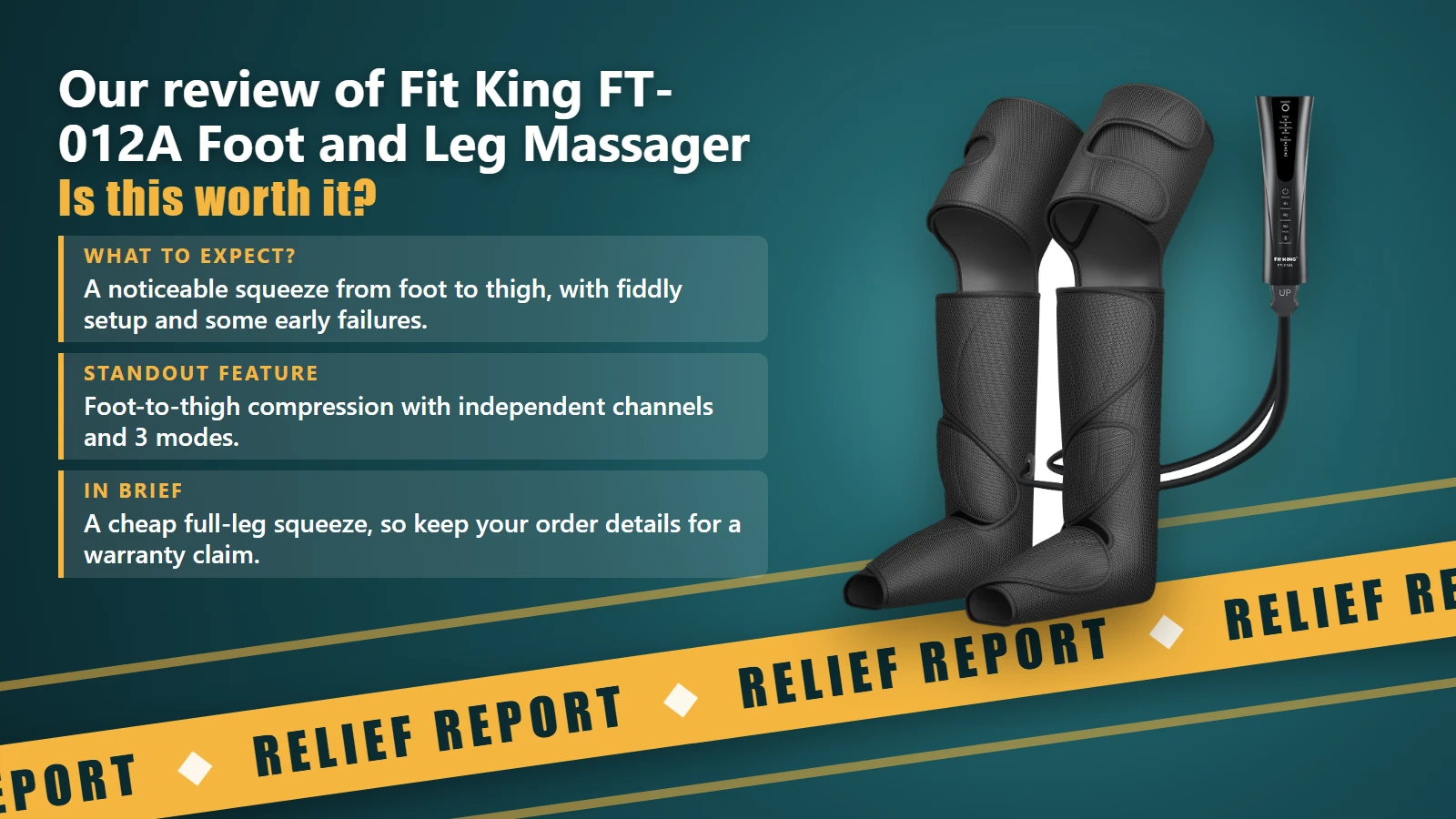
Setup was the complaint I heard most from clients. The Fit King FT-012A foot and leg massager is a good example.
It costs $109.99 and gives a full-leg squeeze, but at least 2 of our 5 clients called it cumbersome, clunky, or a hassle to put on.
The setup means two sleeves, two hoses, and a controller that dangles between your knees. One client who wanted a simple routine said everything has to line up behind the knee for the pressure to reach the thigh.
That client expected more of a massage, had to stay put for 20 minutes or more, and thinks a below-knee version might suit better.
A strength coach in our group trains 5 to 6 days a week and moved from a corded Fit King to a cordless model. The controller and hoses had become too tedious for daily use, and that member's verdict was blunt: hose setup kills the habit.
The Quinear Leg Recovery Compression system at $359.99 draws the same complaint. Our group says corded setups with separate controllers discourage frequent use, and one reviewer mentioned extension cords stretched across the room.
Members who spent more on cordless models praised the convenience, while budget buyers described both happy and bulky experiences.
Bulk and Storage Problems
Large devices take up space, and space runs out. Members of our group report that bulky boots and noisy pumps stop getting used.
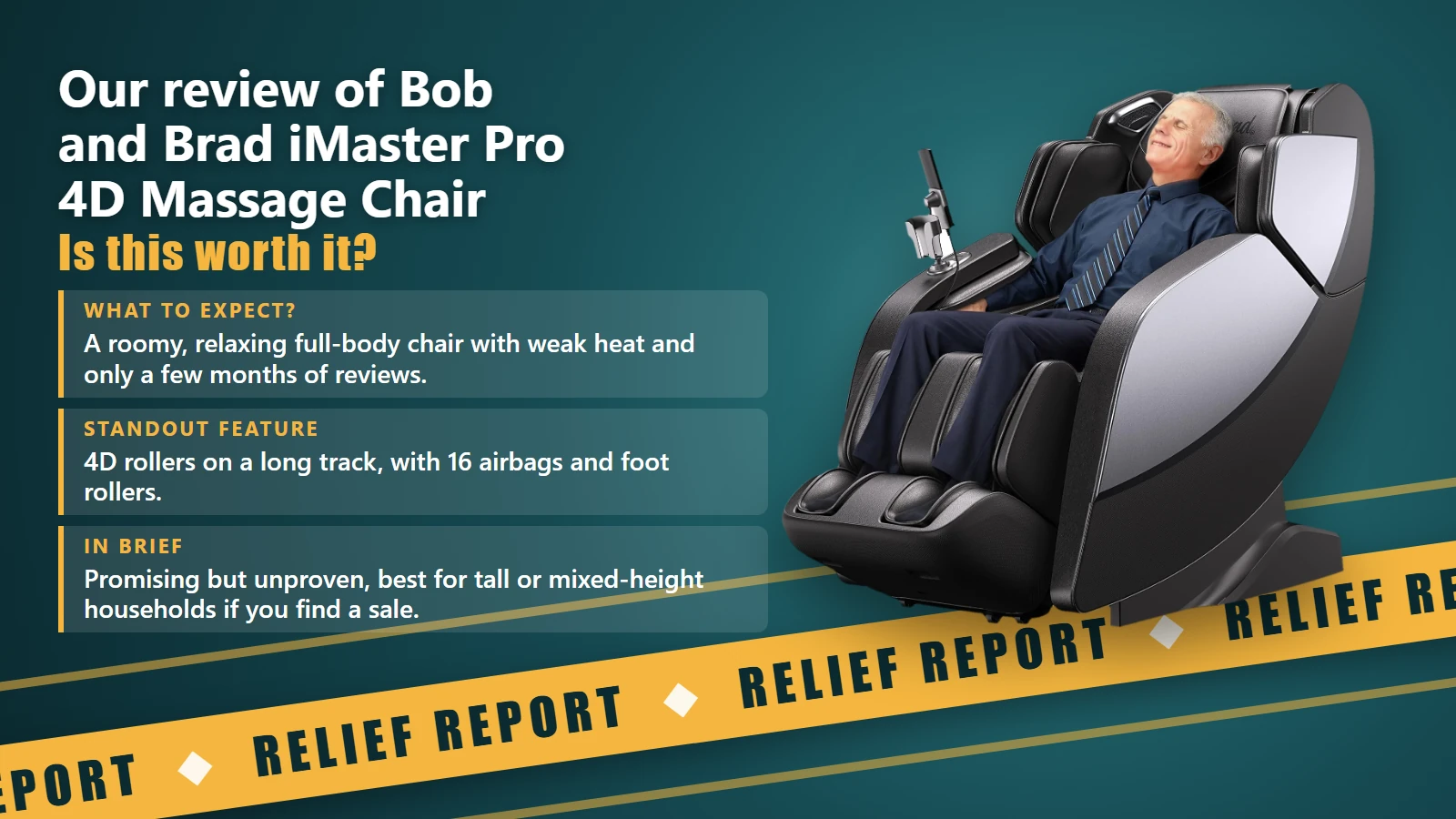
Massage chairs are the extreme version of this. The Bob and Brad iMaster Pro 4D massage chair weighs 214.51 lb and costs $3,299.99.
Members warn that faux leather can crack, peel, or flake within 2 to 3 years under heavy use. One reviewer paid $99 for installation, and the chair needs a 30-inch doorway to get inside.
Members also talk about returning high-end $10,000 models after finding creaks and loose parts within a month. The size and 200-to-300-pound weight of a chair can make it impossible to move between rooms without taking it apart or hiring movers.
Noise That Wears on You
A loud device is annoying on day one and harder to live with by week three. At least 2 of our 6 clients called the MedMassager MMF07 foot massager loud while it ran.
One 5-star owner says everyone who visits uses it, but warns that in an apartment with neighbors below it would make a rather alarming sound.
The MedMassager costs $369.00, and our clients call it the strongest vibration pad they have tried. The power comes with noise, a base that slides across wood floors, and a mount between the plate and motor that tends to give out.
In 2 of our 6 client reviews the unit broke, turned very loud, or started failing, from the early months to about 2 years in. Its listing gives no noise level.
The Fit King listing gives none either. One reviewer describes a low hum like an electric toothbrush and likes it, because the sound tells you the cycle has ended, but that is one person's taste, so check the noise on day one if you share a room.
Too Intense From the Start
More power is not always better, and several reviewers learned this the hard way. The Quinear lists eight settings starting at 50 mmHg (a unit of pressure, where higher numbers mean a tighter squeeze).
Two reviewers said even that lowest setting was too much, and one felt it painfully around the ankles and the top of the foot.
A reviewer who tried the Fit King FT-012A on maximum was sore the day after running. I tell clients to begin on the lowest level and raise it slowly.
The people who skip that step are the ones who stop using the device because it hurt. Read the manual before the first session too, since one chair buyer only found a pacemaker warning there after setup.
Fit Problems at Both Ends
Fit is not just about comfort. It decides whether the device reaches the right spot at all.
A 6-foot reviewer using the Fit King found the upper section rode over the knee. A 5'2" reviewer found it too long, though another 5'2" reviewer said it fit.
The Quinear has the same issue. A reviewer said the Medium would suit someone about 6 feet tall and found it awkward on anyone shorter.
Another reviewer with a 32-inch inseam ordered the small size and still had it ride too high, and said a small would not work for a 29-inch inseam or shorter.
Spend a minute measuring your inseam and checking the return window before you click buy. Fit and setup frustrations drive most returns in our group.
The Novelty Trap
This one is quiet. Members say the excitement of a new massage chair can fade within weeks unless the chair fits a daily habit, and some chairs end up as a giant clothes rack at every price point.
Red light panels follow the same pattern. Members bought expensive panels and let them collect dust, because sitting still for 10 to 20 minutes a day felt like a chore.
The massage is not the problem. Once the thrill wears off, a device with no fixed time and no visible spot drifts to the corner and stays there.
Here is the pattern at a glance, with the fix that owners who kept using their gear described.
| Reason | Typical device | The fix owners used |
|---|---|---|
| Setup hassle | Corded compression boots with hoses and a controller | A strength coach training 5 to 6 days a week went cordless |
| Bulk and storage | Massage chairs and large boots | Measured the doorway and space first; placed it in a central room |
| Noise | MedMassager MMF07 foot pad | Checked noise on day one; some accepted it as a power tool |
| Too intense from the start | Boots with a 50 mmHg lowest setting | Began on the lowest level and raised it slowly |
| Fit problems | Full-leg boots | Measured inseam and checked the return window |
| Novelty wearing off | Massage chairs | Tied it to a fixed time and a visible spot |
Most of these fixes are free, which is why they are worth trying before you give up on a device.
What People Who Kept Using Their Gear Did Differently
The owners who kept using their devices shared a few simple habits. None of them are complicated, but they all address the reasons gear gets abandoned.
They Put It in a Visible Spot
Members who use massage chairs regularly place them in central living spaces, TV rooms, or home libraries, where visibility encourages regular use. A chair hidden in a spare bedroom gets forgotten, and a chair next to the couch gets sat in.
The same goes for smaller devices. Members say large foot units hidden in closets or under desks end up forgotten, so keep yours where you can see and reach it.
One family shopping for sore arches uses their MedMassager each night, loves the arch bar, and says everyone who visits tries it. It is large and loud, but it stays out where people see it.
They Fixed a Time for It
A nurse on 12-hour shifts in our group described a simple after-work routine: shower, boots on, sit down to eat. The boots are part of something they already do, not a separate task to remember.
A retired contractor who uses the MedMassager has a daily morning routine. It was their fourth unit in a row, and they said the bolts tend to break at 1.5 to 2 years, yet they accepted the noise and treated it as a power tool for the feet.
Owners who kept using their gear made it routine, like brushing teeth, instead of a special occasion.
They Kept Sessions Short
Session length matters for the routine. A gym-goer who tried the Quinear at a desk found setup quick, but the 30-minute timer meant running it twice for a full session.
After 3 to 4 sessions a week, they felt no difference in recovery and are returning it.
Members say mats and pads are usually run for 15 to 30 minutes, with 3 to 5 times a week the most widely suggested routine. One red light mat listing suggests 20 minutes a day.
They Accepted What the Device Is
The happiest owners did not expect a machine to replace hands-on work. Members across all price points agree that no chair can copy the intuitive touch or precise access of a skilled massage therapist, so a chair is a daily maintenance and relaxation tool.
One client who trains five days a week called the MedMassager Body Massager Plus heavy duty and adjustable, and said it helped tight spots feel looser. A client caring for a mother after two strokes used the soft pad on bony areas and found it gentle.
These owners knew what they bought and used it for that purpose.
The unhappy owners expected something the device was never going to deliver. Several reviewers of the Fit King FT-057A said flat out that it squeezes and does not massage.
Anyone hoping for shiatsu (a Japanese style of massage that uses kneading pressure from fingers and palms) or rolling was always going to be let down by a compression sleeve.
Buy for the Habit You Have
In our group, gear gets used when it fits into something you already do. That sounds obvious, but people tend to shop for the device they want, not the routine they have.
If you already sit on the couch for 20 minutes in the evening, a cordless compression set that lives next to the couch will get used. A corded set that needs hoses, a controller and an extension cord across the room is the kind members say discourages frequent use.
If you already sit at a desk for hours, a foot pad you can see and reach from your chair has a better chance than one you have to carry out of a closet and plug in.
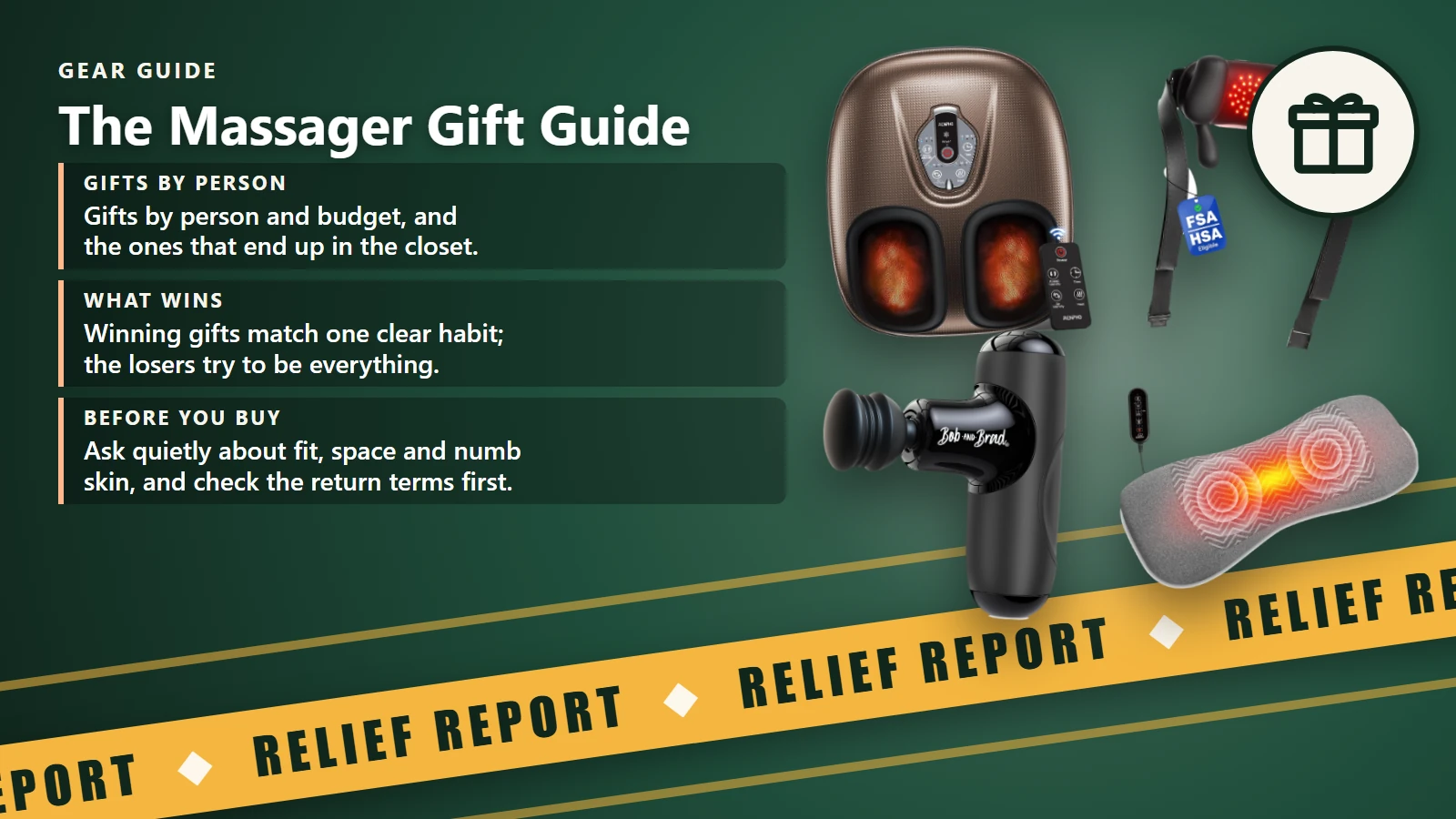
If you are buying for someone else, think about their day. Our massager gift guide covers what gets loved and what ends up in the closet, and the best gift is the one that matches the person's routine and space.
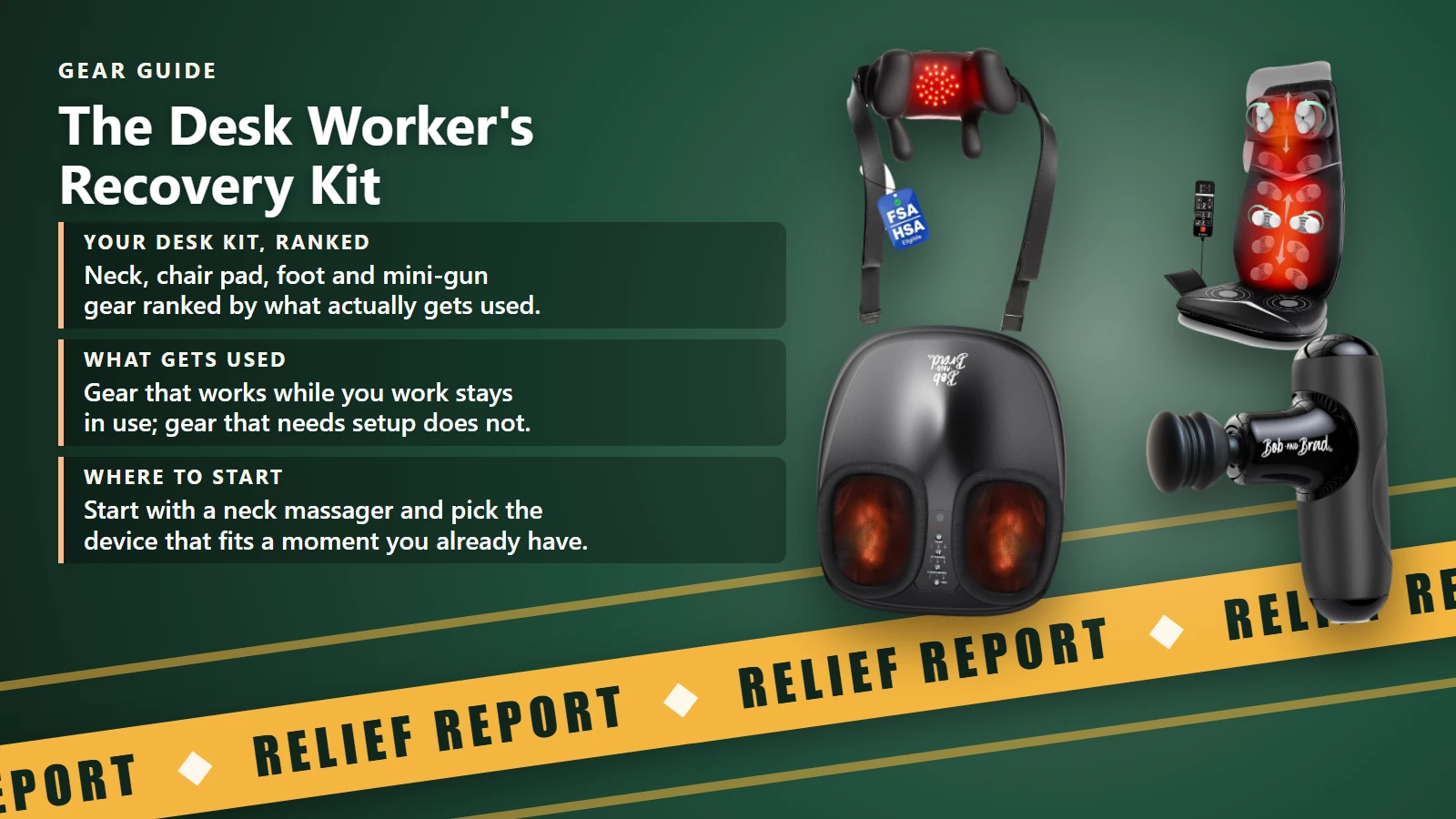
If you work at a desk all day, our desk worker's recovery kit ranks neck, back and foot gear by what clients and group members actually kept using.
On compression boots in particular, members and physical therapists in our group say they do not speed up tissue repair beyond what sleep, food and good habits do. What members report is legs that feel less heavy, and a reason to sit still.
If that is what you want, buy for it. If you want a medical fix, talk to a doctor.
Questions People Ask
Why do people stop using recovery gear?
Mostly because of small, daily frictions: hoses and controllers that are tedious to set up, bulky devices with nowhere to live, loud motors, settings that feel too strong, sizes that do not fit, and excitement that fades within weeks. Gear that fits an existing habit tends to survive.
Should I buy corded or cordless compression boots?
Members who spent more on cordless models praised the convenience, and one strength coach who trains 5 to 6 days a week moved to cordless for regular use. Corded setups with separate controllers discouraged frequent use, though budget buyers described both happy and bulky experiences.
Can a massage chair replace my massage therapist?
No, and members across all price points agree on this. A chair can make a tired back feel better and fit into a recovery routine, but it cannot copy the intuitive touch or precise access of hands-on work. Think of it as daily upkeep between professional sessions.
What should I do if my device breaks early?
Keep your order details and use the warranty. One of our 5 clients had a Fit King unit stop working at 3 months and got a free replacement, and the Quinear comes with a 24-month warranty, though the longest reports run about 9 months and two of those ended with a unit that quit.
The Bottom Line
Buy for the habit you have, not the habit you imagine. Put the device where you already sit, pick a time you already have, and keep sessions short.
If you want a device to use between professional sessions, choose one that asks the least of you. A cordless compression set on the couch beats a corded one in the closet, and a foot pad you can see beats one hidden away.
Accept that a machine gives comfort and not a fix. If you have a pacemaker, a history of blood clots or osteoporosis, ask a doctor before using a chair with strong rollers or leg compression.
If you have sharp or lasting pain, stop using any device and see a professional. These tools can help sore muscles feel looser and tired legs feel lighter, but they are not a substitute for hands-on care and they are not something to test on yourself when something is wrong.